Roof Restoration vs Replacement is a question many homeowners face when early signs of roof wear begin to appear. Understanding Roof Restoration vs Replacement helps homeowners explore preventative options before major damage occurs. In many cases, Roof Restoration vs Replacement decisions arise because surface deterioration is mistaken for structural failure. Roof Restoration vs Replacement considerations often overlook how protective measures can slow aging. Learning where Roof Restoration vs Replacement fits into long term maintenance planning highlights the role roof painting can play in extending roof life.
Roof painting is commonly used as part of ongoing roof care. It does not replace structural repairs, but it can help protect roofing materials from environmental exposure that accelerates deterioration.
General information about roofing maintenance and systems can be found through roof maintenance and care resources.
What Roof Painting Actually Does
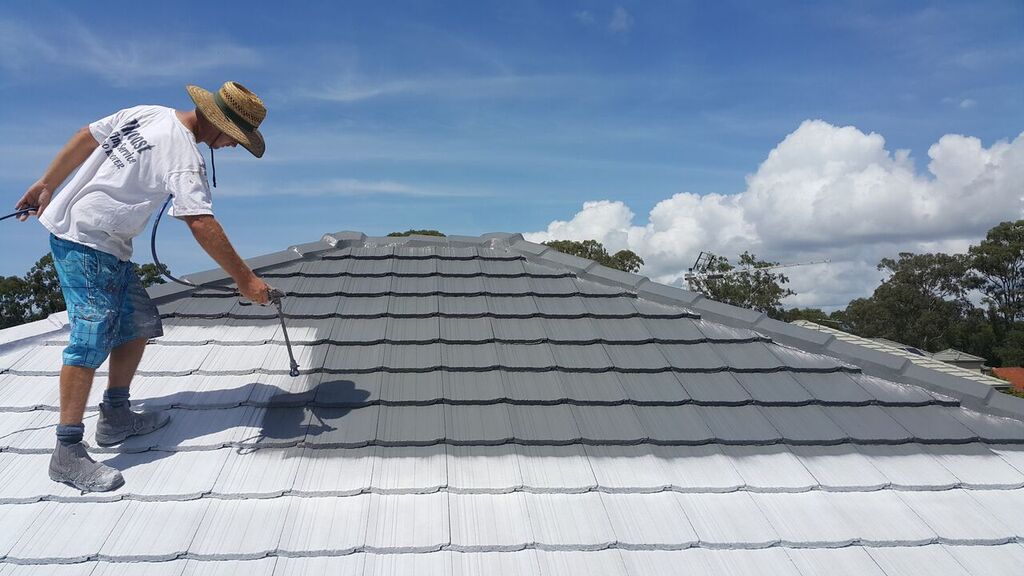
Roof painting involves applying a protective coating designed to shield roofing materials from weather exposure. It is often used after cleaning and minor repairs are completed.
Roof paint helps by:
- Creating a barrier against moisture
- Reflecting sunlight and reducing heat absorption
- Sealing porous surfaces
These functions support roof protection rather than structural correction.
How Roof Coating Slows Material Degradation
Roofing materials are constantly exposed to sun, rain, and temperature changes. Over time, this exposure breaks down surface layers.
A roof coating can help:
- Reduce UV related breakdown
- Limit water absorption into tiles or metal
- Slow surface erosion
By addressing surface stress, coatings help maintain existing materials for longer periods.
Roof Painting as a Preventative Measure
Painting is often considered a preventative step rather than a repair solution. When applied at the right time, it may delay more extensive work.
Preventative benefits include:
- Reducing early cracking or fading
- Helping identify minor issues before escalation
- Supporting consistent surface performance
This approach aligns with maintenance focused home care strategies.
Connection Between Painting and Roof Lifespan
Roof lifespan depends on material quality, installation, and maintenance. Painting alone does not reset lifespan, but it may extend usable years.
Lifespan support comes from:
- Reduced exposure to damaging elements
- Improved surface durability
- Lower likelihood of moisture related deterioration
This can influence when restoration or replacement becomes necessary.
Roof Protection Against Moisture and Weather
Moisture is one of the most common contributors to roof deterioration. Unsealed surfaces allow water to penetrate small cracks.
Roof protection coatings help by:
- Sealing micro fractures
- Reducing water pooling on surfaces
- Supporting consistent drainage behavior
This is particularly relevant in climates with heavy rainfall or temperature variation.
Visual and Functional Benefits
While appearance is not the primary goal, roof painting can improve uniformity and surface condition.
Functional outcomes may include:
- More even heat reflection
- Improved surface integrity
- Easier identification of future damage
These outcomes support both maintenance and monitoring efforts.
When Roof Painting Is Typically Considered
Painting is generally suitable when the roof structure remains sound and surface wear is the primary concern.
Common scenarios include:
- Faded or weathered surfaces
- Minor surface cracking
- Roofs approaching mid life rather than end of life
In these cases, painting may be part of a broader maintenance plan.
Situations Where Painting Is Not Enough
Roof painting does not address structural damage or significant leaks. In some cases, restoration or replacement is still required.
Painting may not be sufficient when:
- Structural components are compromised
- Water damage is widespread
- Roofing materials are brittle or failing
Assessment helps determine appropriate timing and scope.
Role of Inspection Before Painting
Inspection is essential before any coating is applied. It ensures the roof is suitable for painting and identifies required repairs.
An inspection typically checks:
- Tile or metal condition
- Existing coatings or sealants
- Areas of moisture intrusion
Inspection findings guide whether painting is advisable.
Relationship Between Painting and Restoration
Roof painting is often one component of restoration rather than a standalone solution. Restoration may include cleaning, repairs, and resealing before coating.
Examples of restoration elements include:
- Replacing damaged tiles
- Repairing flashing
- Applying protective coatings
Visual examples of roof surface work can be viewed through roof maintenance and restoration imagery.
Long Term Maintenance Planning
Roof painting fits into long term maintenance strategies aimed at preserving existing structures.
Planning considerations include:
- Timing relative to roof age
- Environmental exposure levels
- Maintenance history
This approach supports informed decisions rather than reactive repairs.
When to Seek Professional Advice
Homeowners often benefit from professional input when deciding on roof care options. Advice helps align actions with roof condition and goals.
For questions or assessment requests, homeowners can use a roofing consultation contact option or call 0425634502.
Frequently Asked Questions
No. Painting supports surface protection but does not address structural repairs.
Results vary, but painting may add years of usability when applied under suitable conditions.
Suitability depends on material, condition, and existing coatings.
Painting can help seal minor surface gaps but will not fix structural leak sources.
Painting should be avoided if the roof has significant structural damage or advanced deterioration.