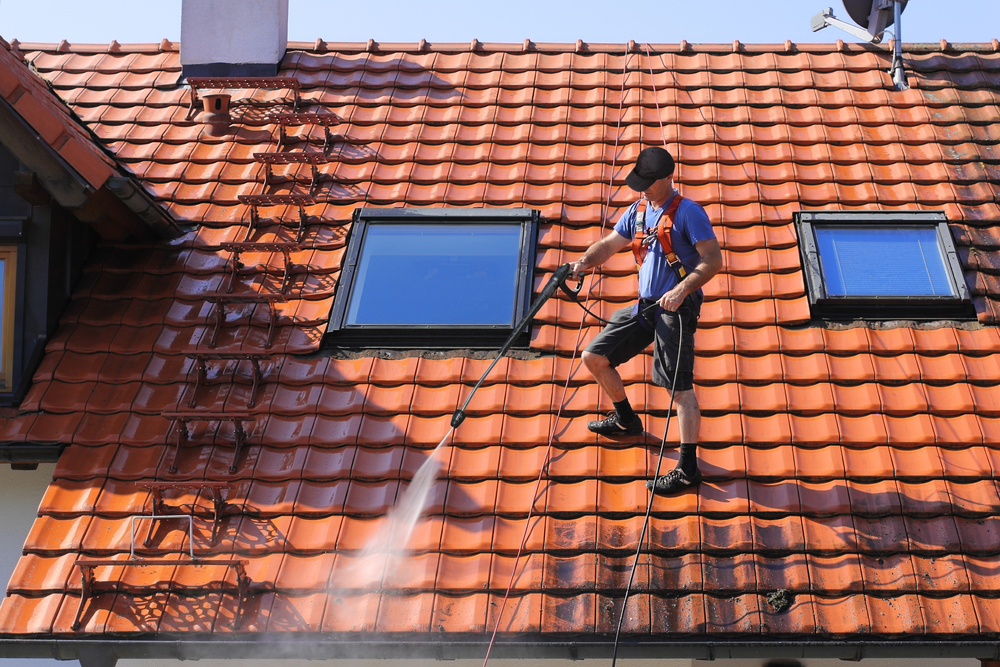
Roof Cleaning is an essential part of responsible home ownership, yet it is often underestimated. Roof Cleaning plays a critical role in protecting roofing materials from gradual deterioration caused by environmental exposure. Roof Cleaning helps prevent moisture buildup, surface wear, and structural stress. Roof Cleaning also supports effective roof maintenance by allowing early identification of potential issues. Roof Cleaning is not about cosmetic improvement alone but about preserving the functional integrity of the roof. Roof Cleaning enables homeowners to reduce avoidable damage caused by moss, debris, and dirt accumulation. Roof Cleaning should be viewed as a preventative practice rather than a response to visible problems.
Homeowners who want to understand how proper roof cleaning contributes to long term protection can explore detailed guidance through this resource on roof cleaning.
Roofs are exposed every day to rain, wind, sunlight, and airborne debris. Over time, these elements place constant stress on roofing materials, making regular upkeep an important part of overall home care.
Why Roof Care Is Often Overlooked
Roof maintenance is frequently delayed because issues are not immediately visible. Many homeowners assume that if there are no leaks or missing tiles, the roof is performing as expected. In reality, deterioration often begins long before obvious signs appear.
Some common reasons roof upkeep is overlooked include:
- Limited visibility from ground level
- The belief that roofs require little ongoing care
- A lack of awareness about early warning signs
Without regular attention, minor issues can gradually develop into larger problems that affect both the roof and the interior of the home.
How Surface Buildup Affects Roofing Materials
Roof surfaces naturally collect dirt, leaves, and organic matter. In damp or shaded areas, moss and algae can spread across the roof and remain undisturbed for long periods. This buildup interferes with the roof’s ability to shed water efficiently.
When surface buildup is left untreated, it can:
- Trap moisture against roofing materials
- Increase the risk of material breakdown
- Reduce the effectiveness of protective coatings
Moss removal is particularly important, as moss growth can lift tiles or shingles and allow water to penetrate beneath the surface.
Moisture and Its Impact on Roof Integrity
Moisture is one of the most damaging factors affecting roofing systems. When water is retained due to debris or organic growth, it accelerates wear and weakens materials over time. Even small amounts of trapped moisture can cause significant damage if left unaddressed.
Effective roof maintenance focuses on reducing moisture retention by keeping surfaces clear and allowing proper drainage. Regular cleaning helps maintain the roof’s ability to protect the structure beneath it.
Preventative Maintenance Versus Reactive Repairs
Preventative roof maintenance aims to address small concerns before they escalate into costly repairs. Reactive repairs occur only after damage has already affected the roof’s performance.
Preventative care offers several long term advantages:
- Reduced likelihood of unexpected leaks
- Better control over maintenance planning
- Lower long term repair costs
Roof cleaning supports this approach by making it easier to identify early signs of wear or damage.
The Role of Roof Cleaning in Drainage Performance
A roof works in coordination with gutters and downpipes to direct rainwater away from the home. When debris accumulates on the roof, it often ends up blocking drainage systems, which can lead to water pooling or overflow.
Poor drainage may result in:
- Water collecting on roof surfaces
- Increased moisture exposure near foundations
- Higher risk of internal water damage
Maintaining a clean roof surface supports proper drainage and reduces unnecessary stress on the roofing system.
Structural Longevity and Roof Maintenance
The lifespan of a roof depends not only on material quality but also on the level of ongoing care it receives. Even durable roofing systems benefit from regular inspection and maintenance.
Consistent roof upkeep helps:
- Slow the natural aging of materials
- Preserve structural integrity
- Reduce the need for early replacement
Homeowners seeking general guidance on roof systems and long term care considerations can find helpful information through Roof Aid.
Seasonal Factors That Influence Roof Condition
Different seasons introduce different risks for roofs. Autumn leaves can accumulate quickly, while spring moisture encourages organic growth. Summer heat may expose existing weaknesses, and winter rain can reveal drainage issues.
Adjusting roof maintenance efforts to seasonal conditions helps homeowners stay proactive and prevent avoidable damage.
Environmental Conditions That Increase Roof Risk
Environmental surroundings play a major role in roof condition. Homes near trees, in shaded areas, or exposed to coastal air are more likely to experience debris accumulation and moisture retention.
In these situations, roof upkeep may need to be more frequent to prevent long term damage and maintain proper roof function.
Recognizing Early Warning Signs
Regular observation allows homeowners to identify early signs of roof issues before they worsen. Changes in appearance or performance often indicate that maintenance is needed.
Warning signs may include:
- Surface discoloration or dark streaks
- Visible moss or algae growth
- Uneven or lifted tiles
- Unexplained moisture marks indoors
Addressing these indicators early supports effective roof maintenance and damage prevention.
Roof Care and Energy Efficiency
A well-maintained roof contributes to consistent indoor temperatures. Damage caused by moisture or displaced materials can reduce insulation effectiveness and increase energy loss.
By keeping the roof in good condition, homeowners can support energy efficiency and reduce unnecessary strain on heating and cooling systems.
Creating a Practical Roof Maintenance Routine
Consistency is key to effective roof upkeep. Rather than waiting for visible damage, homeowners benefit from routine inspections and scheduled cleaning.
A practical maintenance routine may include:
- Annual roof inspections
- Seasonal debris removal
- Periodic surface cleaning based on environment
Tracking observations over time helps homeowners identify patterns and respond before issues escalate.
Knowing When Professional Input Is Needed
While regular observation is valuable, certain roof conditions require professional assessment. Persistent leaks, extensive moss growth, or noticeable structural changes should not be ignored.
Homeowners who have concerns or questions about roof condition can seek further guidance through Contact Roof Aid.
Frequently Asked Questions
Most roofs benefit from annual inspections, with additional checks after severe weather or heavy debris accumulation.
Moss retains moisture and can lift roofing materials, increasing the risk of leaks and long term damage.
Yes. Roof issues can lead to water intrusion, insulation damage, and reduced energy efficiency.
No. Roof maintenance includes inspections, drainage checks, minor repairs, and ongoing condition monitoring.