Roof restoration is a comprehensive process used to repair, clean, and protect an existing roof so it can continue performing effectively for many years. Roof restoration focuses on strengthening the roof’s surface and correcting damage caused by weather exposure, aging materials, and limited roof maintenance. Roof restoration allows homeowners to address deterioration early rather than waiting for more serious structural issues to appear.
Roof restoration is not a cosmetic fix. It is a planned maintenance approach that improves roof durability, water resistance, and overall performance. Roof restoration is particularly relevant in areas where roofs are exposed to moisture, heat, and environmental debris. Homeowners researching roof restoration often want to understand how it differs from basic roof repair and why it is considered a long term maintenance solution.
For a clear overview of how the process works, homeowners can explore detailed information about professional roof restoration services and the steps involved.
Understanding Roof Restoration
Roof restoration involves restoring the existing roof rather than removing and replacing it. The process is suitable for roofs that remain structurally sound but show visible signs of surface wear. Roof restoration typically includes inspection, roof repair, deep cleaning, sealing, and protective coatings.
Unlike short term roof repair, roof restoration addresses multiple issues across the entire roof. These may include cracked tiles, rusted metal sheets, worn ridge caps, and degraded sealants. Roof restoration corrects these problems while improving the roof’s resistance to future damage.
Roof Restoration Northern Rivers and Regional Conditions
Roof Restoration Northern Rivers is strongly influenced by local climate conditions. High humidity, frequent rainfall, salt air in coastal areas, and strong sunlight all accelerate roof surface breakdown. Roof Restoration Northern Rivers focuses on protecting roofing materials against these environmental factors.
Common regional issues include:
- Moisture absorption in tile roofs
- Corrosion in metal roofing
- Moss and lichen growth
- Fading and surface erosion
Roof restoration Northern Rivers helps stabilise these conditions by reinforcing the roof surface and improving water resistance.
Roof Restoration vs Roof Repair
Roof repair and roof restoration serve different purposes. Roof repair focuses on fixing individual problems, while roof restoration provides a complete roof surface renewal.
Roof repair may involve:
- Replacing broken tiles
- Sealing a small leak
- Fixing flashing damage
Roof restoration includes roof repair but also addresses underlying wear that can lead to recurring problems. Without restoration, repeated roof repair may become necessary over time.
The Roof Restoration Process
Roof restoration follows a structured process designed to improve roof performance and longevity.
- Roof inspection to assess condition
- Roof repair to replace damaged components
- Pressure cleaning to remove contaminants
- Resealing vulnerable areas
- Application of protective coatings
Each stage supports long term roof maintenance and reduces the likelihood of future damage.
Roofing Materials Suitable for Roof Restoration
Roof restoration can be applied to a variety of roofing materials, provided the structure is stable. Commonly restored roofs include tile roofs, metal roofs, and cement based roofing systems.
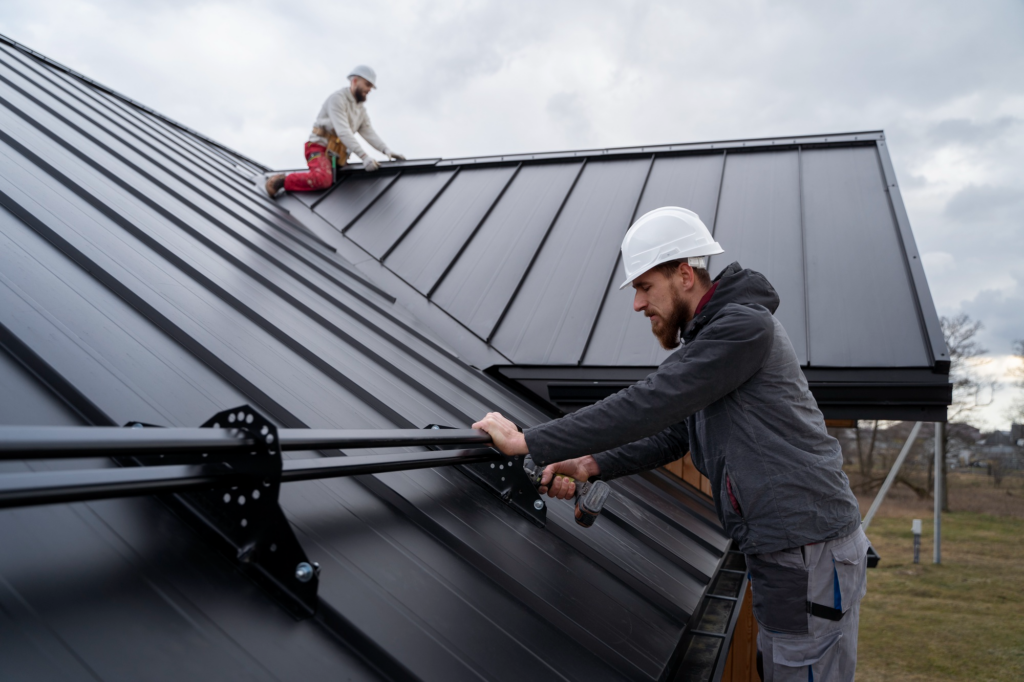
Tile roof restoration often involves replacing cracked tiles and resealing porous surfaces. Metal roof restoration addresses corrosion, loose fixings, and coating failure. Roof restoration services are adjusted based on the roofing material and its condition.
Why Roof Restoration Matters for Homeowners
Roof restoration protects the roof from progressive deterioration that can impact the rest of the home. A weakened roof allows moisture penetration, heat loss, and internal damage. Roof restoration helps prevent these issues by reinforcing the roof’s protective layers.
Roof restoration also supports consistent roof maintenance by reducing the need for frequent repairs. Homeowners researching roof restoration services often consider it as part of a long term property care plan.
More general information about roofing systems and maintenance can be found through Roof Aid, which provides educational resources on roofing conditions and care.
Roof Maintenance After Restoration
Roof maintenance remains important after roof restoration. While restoration improves durability, regular inspections help identify minor issues early. Roof maintenance after restoration may include clearing debris, checking drainage points, and monitoring surface condition.
Benefits of ongoing roof maintenance include:
- Extended roof lifespan
- Reduced repair frequency
- Improved moisture protection
Roof restoration provides a strong foundation for effective roof maintenance.
Signs Your Roof May Need Restoration
Several indicators suggest roof restoration may be required:
- Discoloured or faded roof surfaces
- Cracked or missing tiles
- Rust patches on metal roofing
- Repeated minor leaks
- Moss or lichen growth
These signs do not automatically mean roof replacement is necessary. Roof restoration services often resolve these issues when addressed early.
Structural Protection Through Roof Restoration
Roof restoration protects more than just the roof surface. By sealing entry points and reinforcing materials, roof restoration reduces stress on internal structures such as ceilings and roof framing.
Roof restoration Northern Rivers homeowners often consider restoration when roof repair becomes frequent. Restoration stabilises the roof and reduces ongoing maintenance demands.
Environmental and Practical Benefits
Roof restoration is generally less disruptive than roof replacement. It limits material waste and preserves existing roofing components. Roof restoration also helps manage heat absorption by restoring reflective roof coatings, which can improve indoor comfort.
From a practical perspective, roof restoration allows homeowners to maintain their existing roof while addressing performance concerns.
When Roof Restoration Is Not Suitable
Roof restoration is not suitable if the roof has major structural damage. Severely compromised roofing timbers or collapsed sections may require replacement. A professional assessment determines whether roof restoration or replacement is appropriate.
In most cases, roofs with surface deterioration but intact structure are suitable for roof restoration.
Planning a Roof Restoration Assessment
Roof restoration begins with a detailed inspection. This assessment identifies roof repair needs and confirms whether restoration is suitable. Homeowners seeking further clarification or assessment options can review contact details through the roof restoration contact page.
Conclusion
Roof restoration is an important maintenance process that extends roof lifespan, improves durability, and reduces long term repair risks. Roof Restoration Northern Rivers homeowners benefit from understanding how restoration responds to regional conditions and material wear. By combining roof repair, roof maintenance, and protective treatments, roof restoration services help preserve existing roofs and support long term home protection.
Frequently Asked Questions
Roof restoration is a process that repairs, cleans, seals, and protects an existing roof to extend its lifespan.
Roof repair fixes specific issues, while roof restoration addresses the overall roof condition.
Yes, roof restoration is commonly used for older homes with structurally sound roofs.
The lifespan depends on materials, environment, and roof maintenance, but restoration typically adds many years of service.
Yes, roof restoration stabilises the roof surface and reduces recurring repair needs.